Outsourcing insert molding can feel like a big shift, especially for teams used to keeping every step inside their own walls. Yet more manufacturers are choosing partners for this work because the economics and the operational wins add up fast. Done well, outsourced insert molding supports higher consistency,
faster output, and cleaner cost control, without forcing your team to buy new presses, hire niche talent, or stretch quality staff too thin.
When the partner is built for this specialty, you gain access to mature processes that have already been proven across many part designs and production volumes. That means fewer surprises during ramp up and fewer disruptions after launch. For example, many companies look to Beyonics Engineering for insert molding services when they want disciplined engineering support, stable production, and a supplier that can help reduce risk across both prototype and high-volume programs.
Faster Launch Timelines Without Internal Bottlenecks
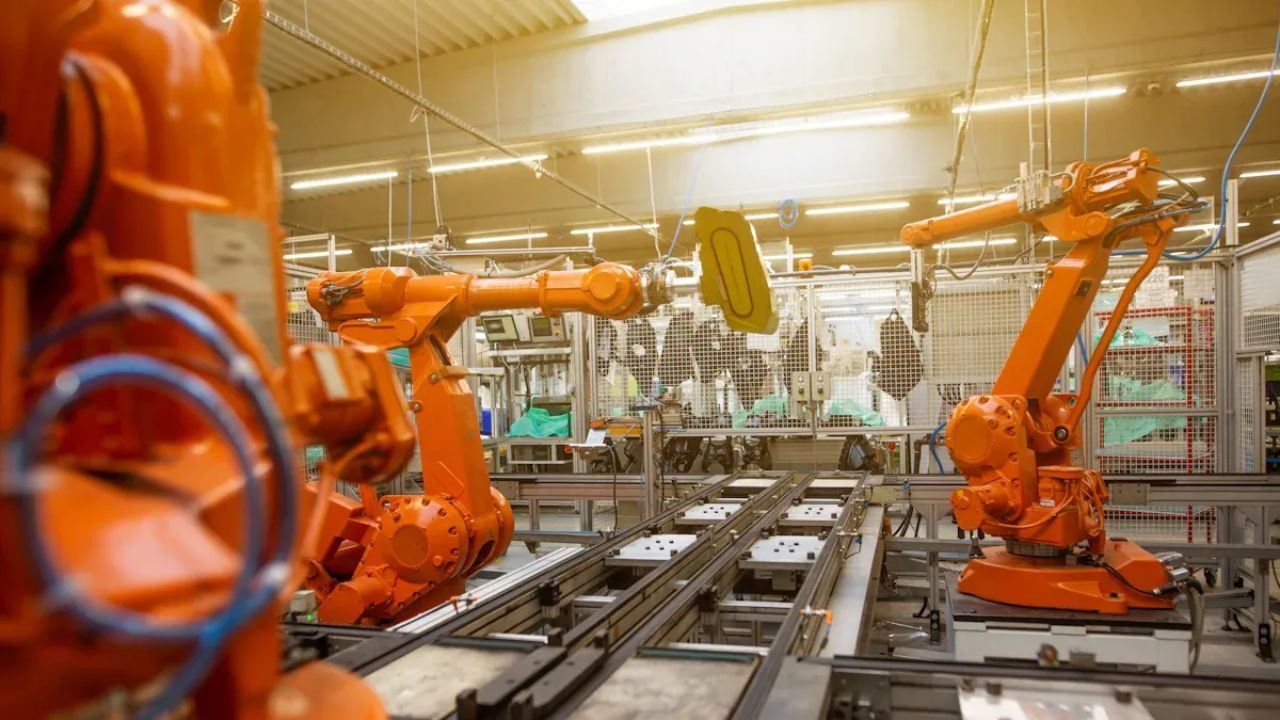
Insert molding projects often slow down in-house for one simple reason. The same people and machines are already booked. Tooling reviews, insert retention checks, and first-article validation can get pushed behind other priorities. An outsourcing partner removes that scheduling logjam because insert molding is not a side task for them. It is the main event. Your program gets a dedicated lane, which shortens the path from design release to production approval.
Speed also comes from repeatable setup knowledge. Insert molding includes more variables than standard injection molding, like insert temperature control, placement accuracy, and bond performance between metal and resin. A specialist partner has playbooks for these details. They know what typically causes flash around inserts, how to prevent insert shift, and how to tune pack and hold to protect the insert without warping the plastic. That experience reduces trial-and-error time during sampling.
Faster launches can protect revenue and customer trust. When you can meet a customer’s ramp schedule, you avoid expediting parts, avoid emergency overtime, and avoid the hidden costs of late deliveries. In many industries, time-to-market is tied directly to contract renewals and future platform wins. A dependable outsourcing plan turns speed into a competitive advantage, not a recurring fire drill.
Better Quality Through Specialized Process Control
Insert molding is unforgiving. Small mistakes can lead to weak mechanical bonds, cosmetic defects, or electrical failures when inserts serve as conductors or terminals. Outsourcing to a specialist can improve quality because they operate with process controls designed for these risks. They build inspection checkpoints around insert orientation, seating, cleanliness, and dimensional stability. Those are the areas that can make or break long-term performance.
A strong partner will also bring better measurement discipline. That includes tighter monitoring of molding parameters, cavity pressure trends, and dimensional drift over long runs. Instead of reacting to scrap, they can spot early signals and correct before parts fall out of tolerance. You get fewer quality holds and fewer customer complaints, and your internal team spends less time on corrective actions.
Quality gains show up downstream, not only in a scrap report. Better insert retention reduces assembly failures. Cleaner overmold around terminals improves electrical fit and reduces intermittent faults. More stable dimensions reduce rework and reduce the need for “adjustment steps” at assembly stations. Those are real savings because they remove labor from the system, not just resin from the trash bin.
Lower Total Cost Without Cutting Corners
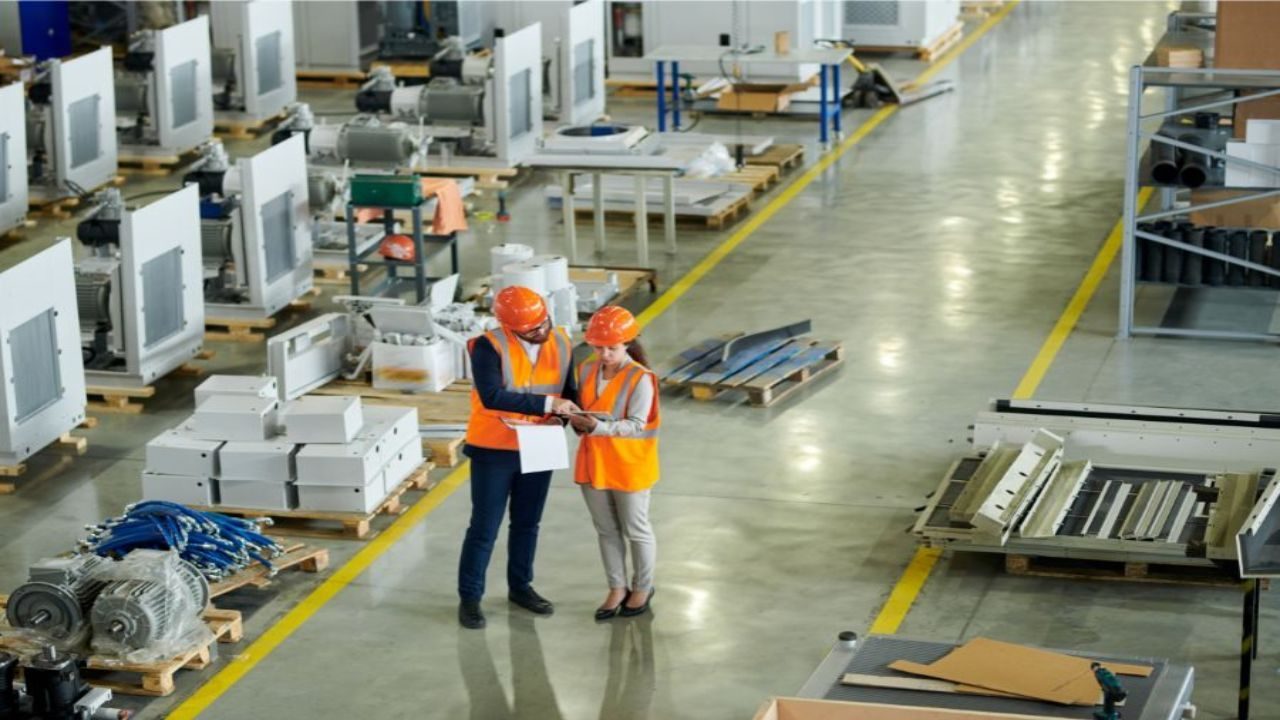
Outsourcing can reduce costs, but the biggest win usually comes from total cost, not piece price. Insert molding in-house often creates hidden overhead: training, specialized fixtures, additional inspection steps, higher maintenance, and downtime when inserts jam tooling or cause wear. A partner spreads those expenses across many programs. You pay for output, not for building the entire capability from scratch.
There is also a capital equipment angle. Insert molding can require robotics for insert placement, vision systems, or custom end-of-arm tooling. If your volumes are uncertain or product lifecycles are short, buying that equipment can be hard to justify. Outsourcing turns that capital risk into a predictable operating expense. That helps finance teams and makes program profitability easier to forecast.
Cost control improves further when your partner helps refine the part itself. Experienced insert molders often propose design changes that reduce cycle time, reduce resin usage, or reduce insert complexity. Even small adjustments, like adding a lead-in feature for inserts or revising gate location to balance flow, can lower scrap and speed production. Those improvements protect margins while keeping performance targets intact.
Access to Engineering Expertise That Improves Part Design
Outsourcing is not only a manufacturing decision. It is an engineering decision with long-term consequences. Insert-molded parts benefit from early feedback on insert geometry, tolerances, draft, and material selection. A capable partner can provide design-for-manufacturability input that makes the part easier to mold and easier to qualify.
Good DFM input focuses on what actually fails in production. For instance, a partner may recommend knurls or undercuts that improve mechanical retention without stressing the insert. They may suggest preheating methods to improve bonding and reduce voids. They may advise on resin selection based on chemical resistance, heat exposure, or electrical insulation properties. These are practical choices that strengthen reliability.
Engineering support also helps prevent expensive tooling rework. Insert molding tools can become complex quickly, especially when inserts must be held precisely in multiple axes. If you catch insert location issues, venting needs, and ejection strategies before steel is cut, you avoid late-stage changes that drive cost and delay launch. Outsourcing can give you that early scrutiny, even if your internal team is strong but stretched across too many projects.
Scalable Capacity for Growth, Peaks, and Program Changes

Manufacturing demand rarely stays flat. A new customer can double volumes. A seasonal surge can strain your press schedule. A design revision can add complexity overnight. In-house insert molding capacity is hard to scale quickly because it depends on machines, trained operators, and engineering time. Outsourcing provides flexibility because your partner can shift capacity across cells, add shifts, or allocate additional tooling resources.
Scalability also supports better customer service. If a customer asks for a faster ramp or a second source plan, you can respond with options instead of excuses. Many outsourcing partners can support both prototypes and mass production, which helps you maintain continuity from early builds through sustained output. That continuity reduces risk because the same process knowledge carries through each phase.
Program changes are another reality. Inserts can change materials, suppliers can change plating, or regulations can force resin updates. A seasoned partner is used to managing these transitions. They can help validate new insert lots, adjust process windows, and document changes in a way that supports customer audits. That operational maturity can protect you from line stoppages and compliance problems.
Reduced Supply Chain Risk Through Mature Vendor Systems
Outsourcing can reduce risk when the partner has a mature supplier network and strong controls for incoming materials. Insert molding depends on consistent inserts. That includes dimensional accuracy, surface condition, and sometimes plating integrity. If inserts vary, your molding process becomes unstable. A strong partner will have incoming inspection routines and vendor management that catch issues before they hit production.
Risk reduction also comes from documentation and traceability. Many industries require clear lot tracking, process documentation, and change control. Outsourcing to an experienced partner can strengthen your audit readiness because the systems already exist. You gain cleaner records for resin lots, insert lots, inspections, and process settings. That makes customer communication easier when questions come up.
Finally, outsourcing can improve business continuity. If your internal molding cell is a single point of failure, a machine outage or staffing shortage can stop shipments. A partner with multiple presses, redundant equipment, and established maintenance practices can keep production moving. That stability supports on-time delivery, protects customer relationships, and reduces the stress that comes from relying on one fragile bottleneck.