With the rapid evolution of mobile technology, how we stay connected is changing dramatically. One of the key innovations in this space is the introduction of the eSIM, or embedded SIM. Unlike traditional SIM cards, which have been a staple for decades, eSIMs, or eSIM plans like this one https://voyafly.com/products/japan-unlimited-data-esim offer a more flexible, secure, and user-friendly way to manage mobile connectivity.
But how safe is an eSIM compared to the physical SIM cards most of us are used to? In this article, we will explore the security features of eSIM technology, its advantages, and whether it stands up to the long-established physical SIM in terms of protecting your data and identity.
How Does eSIM Works?
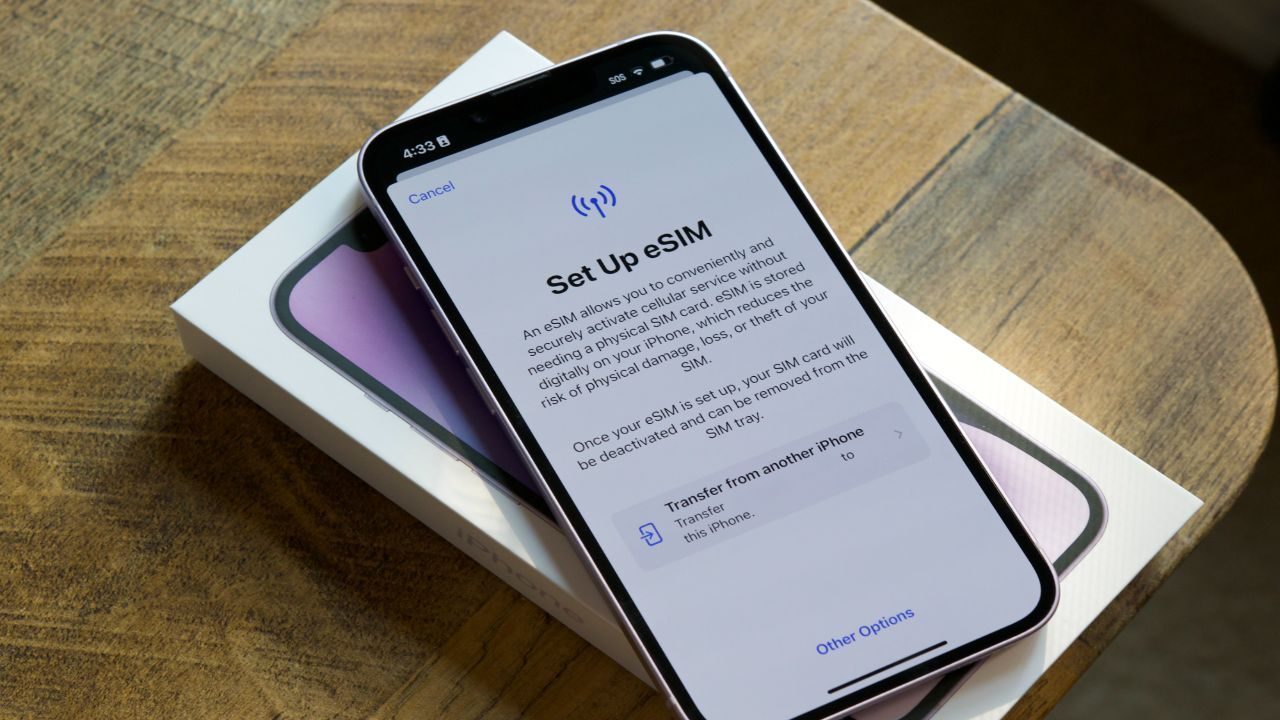
Embedded directly into a device, an eSIM is a small, programmable chip, also known as an embedded SIM. Unlike a traditional SIM card, which you can hold, remove, and insert into different devices, an eSIM is built into the hardware itself. This technology allows users to switch carriers, add multiple mobile profiles, and manage phone numbers without ever having to touch a physical SIM card. When you want to change your mobile plan, you simply download the new carrier profile over the air (OTA) through software, eliminating the need to visit a store or wait for a SIM card to be delivered.
eSIM technology is already being adopted across a variety of devices, from smartphones to smartwatches and even some laptops. As more manufacturers embrace this trend, the shift from traditional SIM cards to eSIMs is likely to accelerate.
Key Benefits of eSIM Technology: More Than Just Convenience
The benefits of eSIMs extend beyond merely replacing traditional SIM cards. Here’s how they transform the user experience:
Seamless Carrier Switching: For those who frequently change mobile carriers or travel internationally, eSIMs provide the ability to switch plans and carriers instantly, often with just a few clicks. This flexibility is particularly beneficial for travelers who need to use local data plans or switch between carriers for better coverage.
Space Efficiency and Design Innovation: Without the need for a physical SIM slot, manufacturers have more freedom in designing slimmer and more compact devices. This space can be reallocated for larger batteries, better cameras, or other components that improve overall performance.
Multi-Number Capability: eSIMs can hold multiple profiles simultaneously, allowing you to manage different numbers (for example, a work and personal number) on a single device without needing two SIM cards.
Eco-Friendly: By reducing the production and shipping of plastic SIM cards, eSIMs contribute to sustainability. The elimination of physical components cuts down on waste and packaging, aligning with the increasing global emphasis on eco-friendly solutions.
How Secure is an eSIM Compared to a Physical SIM?
When it comes to security, eSIM technology offers several advantages over physical SIM cards. Because eSIMs are embedded directly into the device’s hardware, they cannot be easily removed, stolen, or tampered with. This built-in security reduces the risk of SIM swapping attacks, where criminals trick your carrier into transferring your phone number to a new SIM card that they control.
eSIMs also provide enhanced encryption standards and better integration with secure software protocols. As mobile networks become more sophisticated, eSIMs are better equipped to support advanced security measures like secure boot processes and remote profile management. If your phone is lost or stolen, you can quickly deactivate the eSIM remotely, ensuring that no one can misuse your number.
The Security Pitfalls of Physical SIM Cards
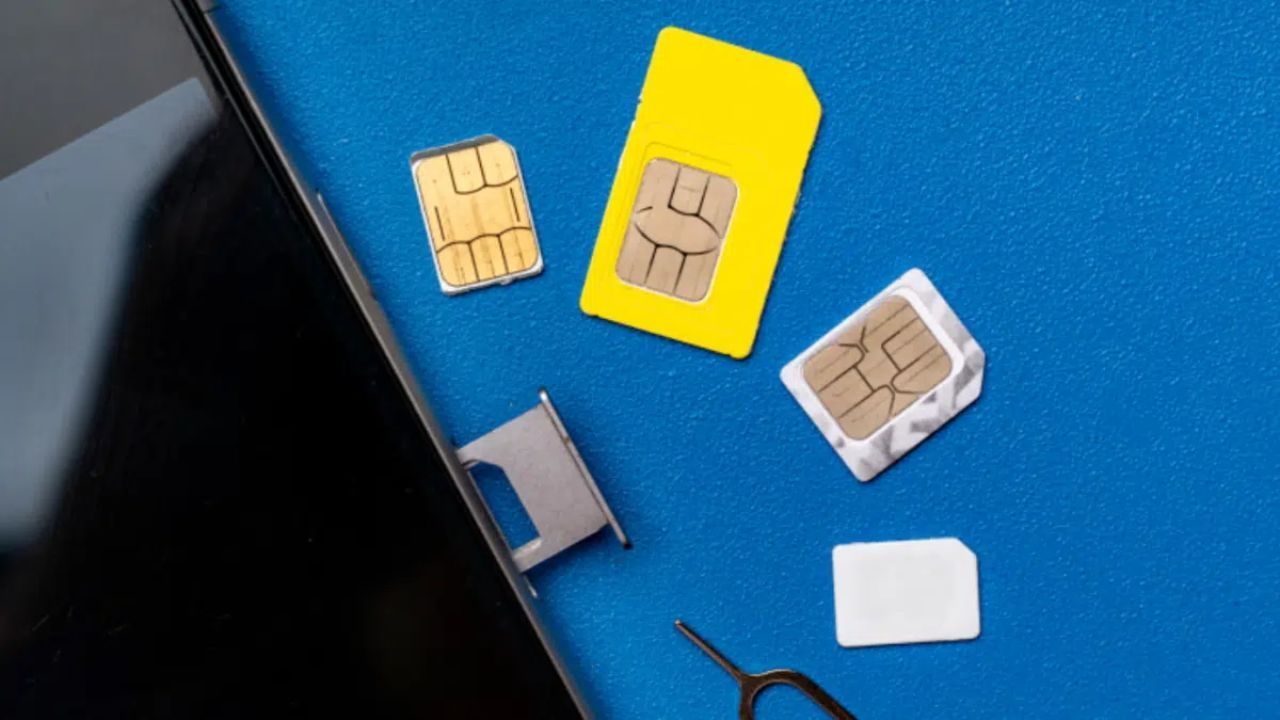
Physical SIM cards have served us well over the years, but they come with some significant security vulnerabilities:
SIM Swapping Attacks: One of the most common threats is SIM swapping, where attackers deceive your carrier into issuing a replacement SIM for your number. Once they have control of your number, they can intercept calls and messages, including two-factor authentication codes for financial accounts.
Physical Theft or Loss: If someone gets hold of your phone and removes the physical SIM card, they can use it in another device. This exposes your phone number, contacts, and potentially sensitive data to unauthorized users.
SIM Cloning: Advanced hackers can clone a physical SIM card by copying its unique identification number, allowing them to replicate it and use your number. While cloning is less common, it poses a real threat when it happens, leading to potential identity theft and unauthorized access to your accounts.
Security Comparison: eSIM vs. Physical SIM
When comparing the security of eSIMs and physical SIM cards, several key differences highlight why eSIMs are generally more secure:
Reduced Risk of SIM Swapping: Since eSIM profiles are digitally managed and protected by strong authentication methods, it’s much harder for hackers to perform a SIM swap. Unlike physical SIMs that can be easily requested and activated, eSIMs require more stringent identity verification processes.
Protection from Physical Tampering: eSIMs are embedded within the device and cannot be removed without specialized equipment. This makes it nearly impossible for a thief to extract the eSIM and misuse it. On the other hand, physical SIM cards are easy to remove and insert into another phone, posing a higher risk if your device is stolen.
Remote Management and Deactivation: If your device is compromised, you can deactivate the eSIM remotely through your carrier or device management platform. This remote functionality not only secures your phone number but also adds an extra layer of protection against unauthorized access.
Looking Ahead: The Future of eSIM Adoption
As technology advances and consumer demand grows for smarter, more secure solutions, eSIM technology is set to become the standard in mobile connectivity. With benefits like enhanced security, convenience, and environmental sustainability, it’s likely that eSIMs will eventually replace physical SIM cards across the board. The future could see eSIMs not only in mobile phones but also in IoT (Internet of Things) devices, connected cars, and even household appliances, all working together seamlessly in a highly secure ecosystem.
The transition to eSIMs is not without challenges, particularly when it comes to consumer education and carrier compatibility. However, as more people recognize the security advantages and ease of use that eSIMs offer, their adoption will continue to rise.