Growing a small business can be challenging, but with the right strategies, it’s entirely achievable. Whether you’re just starting or looking to take your business to the next level, understanding the best practices and tools can make a significant difference. In this article, we will explore proven strategies to help your small business thrive in 2024. If you want to optimize your sales process and increase conversions, it’s essential to know how to build a conversion funnel. Read on to discover actionable tips that can drive your business growth and help you navigate the ever-evolving business landscape.
Embrace Digital Transformation

In today’s digital age, leveraging technology is crucial for business growth. Digital transformation involves integrating digital technology into all areas of your business, fundamentally changing how you operate and deliver value to customers. Companies like Muncly offer B2B consulting services specifically designed to help small and medium enterprises navigate this transformation effectively. Muncly can provide tailored strategies to ensure your business leverages the latest technological advancements for optimal growth.
Implementing Cloud Solutions
Cloud solutions offer flexibility, scalability, and cost savings. By moving your operations to the cloud, you can access data from anywhere, facilitate collaboration, and reduce IT costs. Examples include using cloud-based accounting software, customer relationship management (CRM) systems, and project management tools. Tools like Google Workspace, Microsoft Azure, and Salesforce can streamline your operations and enhance productivity. The ability to scale resources up or down based on demand ensures that you only pay for what you use, which is particularly beneficial for small businesses with fluctuating needs.
Adopting E-commerce
If your business isn’t online yet, now is the time. Setting up an e-commerce store can significantly expand your market reach. Use platforms like Shopify, WooCommerce, or BigCommerce to get started. Ensure your website is user-friendly, mobile-optimized, and secure to attract and retain customers. Offer multiple payment options and seamless checkout processes to enhance the shopping experience.
Additionally, consider integrating chatbots to provide instant customer support, which can improve customer satisfaction and increase sales. An e-commerce presence allows you to operate 24/7, reaching customers beyond your local area.
Enhance Customer Experience
A great customer experience (CX) is a key differentiator in today’s competitive market. Happy customers are more likely to become repeat buyers and refer others to your business. Enhancing CX involves understanding customer needs, providing exceptional service, and continuously improving based on feedback.
Personalized Marketing
Personalization involves tailoring your marketing efforts to meet the individual needs of your customers. Use data analytics to understand customer preferences and behaviors. Tools like HubSpot or Mailchimp can help you create personalized email campaigns, offering relevant product recommendations and exclusive discounts. Segment your audience based on their interests, purchase history, and engagement levels to deliver more targeted messages. Personalized marketing not only increases engagement but also builds stronger customer relationships, fostering loyalty and trust.
Streamline Customer Support
Efficient and effective customer support can make a huge difference. Implementing chatbots on your website can provide instant answers to common queries. Additionally, consider using customer support software like Zendesk or Freshdesk to manage inquiries and feedback more efficiently. Offering multiple support channels, such as live chat, email, and phone, ensures that customers can reach you through their preferred method. Providing timely and helpful responses can turn potential issues into opportunities to impress and retain customers. Regularly train your support team to handle various scenarios and empower them to resolve issues promptly.
Invest in Social Media Marketing

Social media platforms are powerful tools for reaching new audiences and engaging with existing customers. With the right strategy, you can increase brand awareness, drive traffic to your website, and boost sales. Social media marketing involves creating and sharing content that resonates with your audience, participating in conversations, and building a community around your brand.
Choosing the Right Platforms
Identify where your target audience spends their time online. Focus on the platforms that are most relevant to your business. For instance, Instagram and Pinterest are great for visually-driven businesses, while LinkedIn is ideal for B2B companies. Research the demographics of each platform to ensure you invest your efforts where they will have the most impact. Each platform has its unique features and audience, so tailor your content to fit the platform’s style and user preferences.
Content Strategy
Create a content calendar to plan and schedule your posts. Mix promotional content with educational and entertaining posts to keep your audience engaged. Utilize stories, live videos, and user-generated content to enhance interaction. Tools like Hootsuite or Buffer can help you manage and analyze your social media efforts. Regularly monitor your performance metrics, such as engagement rates, follower growth, and conversion rates, to refine your strategy. Collaborate with influencers and encourage your satisfied customers to share their experiences to amplify your reach.
Optimize Your SEO Strategy
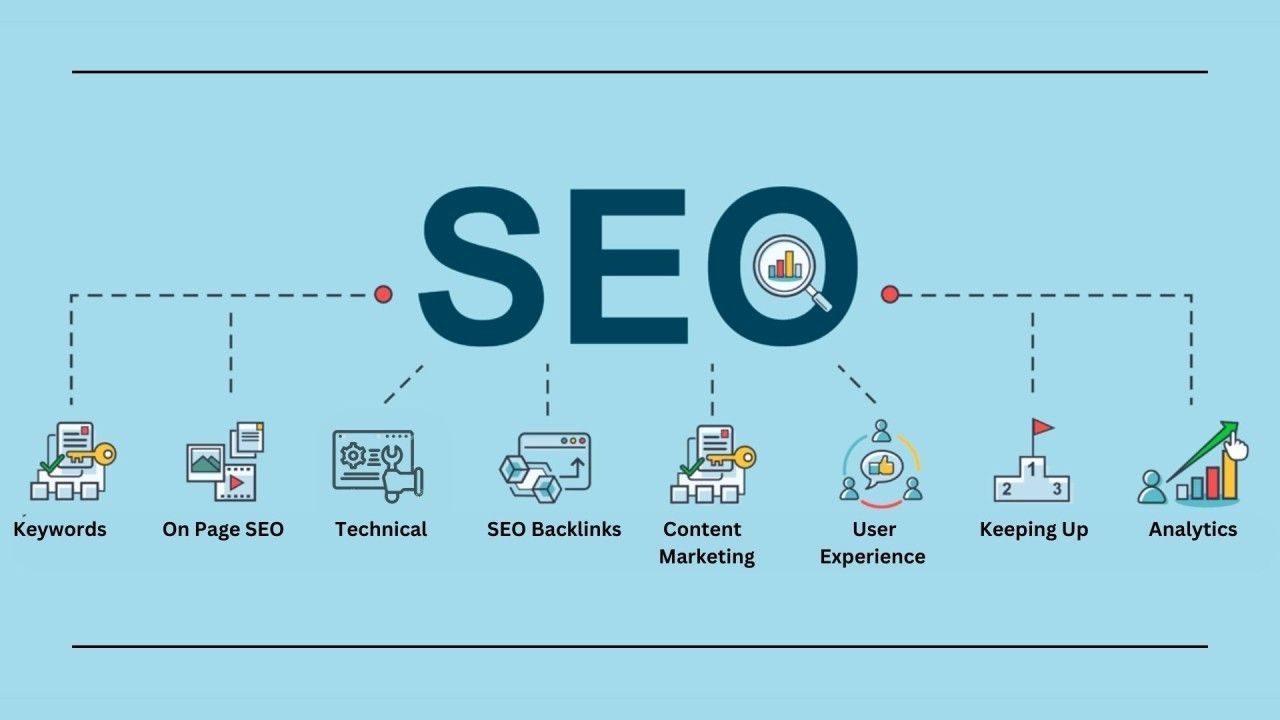
Search Engine Optimization (SEO) is essential for improving your website’s visibility on search engines like Google. A well-optimized website attracts more organic traffic, leading to higher conversion rates. SEO involves optimizing various aspects of your website, including content, structure, and technical elements, to improve its search engine rankings.
Keyword Research
Conduct thorough keyword research to understand what terms your potential customers are searching for. Use tools like Google Keyword Planner or Ahrefs to find relevant keywords with high search volume and low competition. Incorporate these keywords naturally into your website content, including blog posts, product descriptions, and meta tags. Avoid keyword stuffing, as it can harm your rankings and user experience. Instead, focus on creating valuable content that addresses the needs and questions of your audience.
Quality Content
Produce high-quality, valuable content that addresses the needs and interests of your audience. Regularly update your blog with informative articles, how-to guides, and case studies. Quality content not only improves SEO but also establishes your authority in the industry. Use a mix of text, images, videos, and infographics to make your content more engaging. Promote your content through social media, email newsletters, and other channels to increase its reach and impact.
Leverage Networking and Partnerships
Building strong relationships with other businesses and professionals can open new opportunities for growth. Networking and partnerships can lead to collaborations, referrals, and increased brand exposure. By connecting with others in your industry, you can share knowledge, resources, and support.
Join Industry Associations
Become a member of relevant industry associations and attend their events. These organizations often provide valuable resources, including training, networking opportunities, and industry insights. Participate in conferences, workshops, and webinars to learn from industry experts and stay updated on the latest trends and best practices. Networking events provide a platform to showcase your business, exchange ideas, and form strategic alliances.
Collaborate with Other Businesses
Look for businesses that complement your own and explore partnership opportunities. For example, a local bakery could partner with a coffee shop to offer combined deals. Such collaborations can help you reach a wider audience and create mutually beneficial relationships. Joint marketing campaigns, co-branded products, and referral programs are effective ways to leverage partnerships. Building a strong network can provide access to new markets, resources, and expertise, accelerating your business growth.
Monitor Financial Health

Keeping a close eye on your finances is crucial for sustainable growth. Sound financial management ensures that you have the resources to invest in new opportunities and navigate challenges. Regular financial analysis helps you make informed decisions, control costs, and maximize profitability.
Budgeting and Forecasting
Create detailed budgets and financial forecasts to plan for the future. Regularly review your financial statements to track your performance against your budget. Tools like QuickBooks or Xero can help you manage your finances efficiently. Accurate budgeting allows you to allocate resources effectively, prioritize spending, and identify areas for cost-saving. Forecasting helps you anticipate future financial needs and prepare for potential challenges.
Cost Management
Identify areas where you can reduce costs without compromising quality. This might involve renegotiating supplier contracts, optimizing your supply chain, or adopting more cost-effective marketing strategies. Regularly review your expenses and look for ways to improve efficiency. Implementing energy-saving measures, automating repetitive tasks, and outsourcing non-core activities can also help reduce costs. Effective cost management enhances your profitability and provides the financial stability needed for growth.
Foster a Positive Workplace Culture
A positive workplace culture can significantly impact your business’s success. Happy and engaged employees are more productive, creative, and loyal. Creating a supportive and motivating work environment helps attract and retain top talent, driving your business forward.
Employee Development
Invest in your employees’ growth and development. Provide regular training and development opportunities to help them enhance their skills. Consider offering mentorship programs, online courses, and workshops. Encouraging continuous learning fosters innovation and improves job satisfaction. Empower your employees by involving them in decision-making processes and recognizing their contributions. A well-trained and motivated team is essential for achieving your business goals.
Recognition and Rewards
Recognize and reward your employees for their hard work and achievements. Implementing an employee recognition program can boost morale and motivation. Simple gestures like acknowledging achievements in team meetings or providing small bonuses can make a big difference. Celebrate milestones and successes to create a sense of accomplishment and unity. A culture of appreciation and recognition enhances employee engagement and retention, contributing to a positive and productive work environment.
The Bottom Line
Growing a small business in 2024 requires a strategic approach, leveraging technology, enhancing customer experience, and optimizing marketing efforts. Embrace digital transformation, invest in your team, and build strong relationships with other businesses. By implementing these strategies, you’ll be well-positioned to achieve sustainable growth and success.
Remember, consistency and adaptability are key. Keep evaluating and refining your strategies to stay ahead in the ever-evolving business landscape. With determination and the right approach, your small business can thrive in the coming year. Take the first step today and start implementing these strategies to see your business flourish.